
Our approach
Our role is to provide stable accommodation and tailored support that helps young people build independence skills and move forward with confidence. We work in parallel with placing authorities and relevant agencies, keeping communication clear and timely.
Support begins before move-in, continues through structured planning and reviews, and includes transition planning well ahead of move on.
The pathway
From referral to move-on
Each stage is structured and joined up, with clear roles and timely communication between everyone involved.
Stage 1 — Referral
How placements begin
Referral, matching, and preparation that support a safe start.
When we receive a referral, we review the information provided and consider whether our supported accommodation is a good match for the young person’s needs and independence level. We focus on ensuring expectations are clear and that support can be delivered consistently within our setting.
Where appropriate, we arrange an initial visit and introduce the young person to the home, the routines, and the staff team. We also ensure key documents are in place and that risk management planning is robust from day one.
Stage 2 — Planning
Support planning and key work
Tailored plans that stay current and reflect progress.
Each young person has a support plan based on referral information, relevant plans, and their own views. Key work sessions provide a regular space to talk through goals, routines, challenges, and progress. Plans are kept under review, so support stays relevant as needs change.
Stage 3 — Professional network
Working with professionals
Joined up practice with clear roles and shared information.
We work closely with social workers, personal advisers, education providers, health services, and other professionals involved in the young person’s plan. Communication is proactive and respectful, and we contribute to reviews with clear updates on engagement, progress, and any emerging concerns.
Stage 4 — Engagement
Education, training, and employment support
Encouragement, structure, and practical help to stay engaged.
We support young people to maintain their education plan where it is in place, and we work with professionals to reduce barriers to attendance and engagement. Where appropriate, we support access to training and employment pathways, including preparation for interviews and routines that support reliability.
Stage 5 — Skills
Independence training
Skills learned through everyday routines and planned support.
Independence is built through regular practice. Staff support young people with budgeting, cooking, cleaning, shopping, time management, using services, and preparing for tenancy responsibilities. The aim is for the young person to feel prepared for adult living, with support reducing gradually as confidence grows.
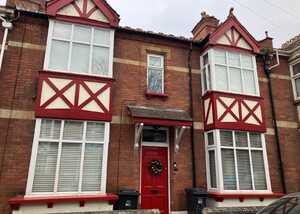
Transition and move on
Planned steps
Move-on planning starts early, with clear actions and timelines agreed alongside the placing authority. We support the young person to understand their options, prepare for the next stage, and maintain stability during change. Where agreed, step-down and floating support can help reduce the risk of placement breakdown after move-on.
 Updating page...